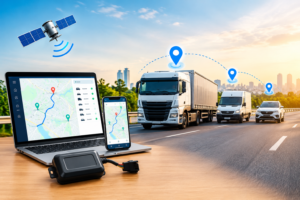
GPS Vehicle Tracking System in India
Managing vehicles efficiently is an important part of running a transport, logistics, taxi, or fleet-based business. Without proper visibility, businesses may struggle with delayed deliveries, unnecessary fuel consumption, unauthorized vehicle use, and inefficient route planning. A reliable GPS vehicle tracking system in India can help address these challenges by providing real-time location data and useful insights into vehicle operations.
Choosing the right solution involves more than purchasing a GPS tracking device. Businesses also need to consider tracking accuracy, software features, installation, connectivity, customer support, scalability, and regulatory requirements where applicable.
Whether you manage a few commercial vehicles or a large transportation fleet, this guide explains how to choose a GPS tracking system that matches your operational needs and budget.
What Is a GPS Vehicle Tracking System and How Does It Work?
A GPS vehicle tracking system is a combination of tracking hardware, communication technology, and software that helps businesses monitor the location and movement of their vehicles. Depending on the device and platform, it may also provide route history, speed information, geofencing alerts, fuel monitoring, and driver behaviour insights.
Here is how the system generally works:
- Location detection: The GPS receiver determines the vehicle’s position using satellite signals.
- Data transmission: The tracking device sends location and other supported information through a cellular network or another communication method.
- Software monitoring: The vehicle’s information appears on a web dashboard or mobile application.
- Alerts and reports: Fleet managers can review vehicle movement, investigate unexpected stops, and monitor selected events.
Why Should Businesses in India Invest in a GPS Tracking System for Vehicles?
For businesses that depend on vehicles, knowing their location can improve day-to-day coordination and accountability. A GPS tracking system for vehicles provides visibility that is difficult to maintain through phone calls and manual records alone.
Key benefits include:
- Real-time vehicle tracking: Check vehicle locations and movement through a central dashboard.
- Better route management: Review planned and actual journeys to identify avoidable detours.
- Improved vehicle security: Use supported alerts to identify unexpected movement or possible unauthorized use.
- Fuel cost monitoring: Integrate compatible fuel sensors to identify unusual consumption patterns.
- Driver performance insights: Review available speeding, harsh braking, and idling data.
- More efficient fleet operations: Use trip reports and vehicle activity records to improve operational decisions.
Which Features Should You Look for in a GPS Vehicle Tracking System?
The best GPS vehicle tracking system is the one that solves your actual business problems without making operations unnecessarily complicated. Before comparing providers, identify the features your fleet genuinely needs.
1. Does the System Provide Real-Time Vehicle Tracking?
Real-time tracking helps fleet managers monitor vehicle positions without repeatedly contacting drivers. However, the freshness of location data depends on reporting intervals, mobile network coverage, device settings, and platform performance.
Ask the provider how frequently locations update, how the system handles network interruptions, and whether it displays the last reported location.
2. Can You Review Route History and Set Geofencing Alerts?
Route history allows businesses to review previous journeys, investigate unexpected stops, and compare actual movement with planned routes.
Geofencing creates virtual boundaries around locations such as warehouses, delivery points, depots, or construction sites. The system can notify authorised users when a vehicle enters or leaves a defined area, provided the relevant feature is supported.
These functions are especially useful for transport companies, logistics providers, and businesses operating vehicles across multiple locations.
3. Does It Include Fuel Monitoring and Driver Behaviour Analysis?
Fuel expenses can significantly affect fleet operating costs. A compatible fuel monitoring system can help businesses compare fuel-level readings with trip records and identify unusual changes that may require investigation.
Driver behaviour monitoring can also highlight speeding, harsh acceleration, harsh braking, and excessive idling when supported by the installed hardware.
Before buying, confirm whether these features require additional sensors, hardware upgrades, or separate subscription charges. Fuel readings and driving events should be verified against real operating conditions before making decisions.
4. Is the GPS Tracking Software Easy to Use?
A tracking system should make vehicle information easy to understand. A complicated dashboard may prevent teams from using the data effectively.
Look for a platform that offers:
- A clear live tracking dashboard.
- Search and filters for individual vehicles.
- Trip history and downloadable reports.
- Customisable alerts and notifications.
- Access through supported mobile devices.
- Suitable user permissions for different team members.
5. Can the System Support Your Fleet as It Grows?
Your requirements may change as you add vehicles, drivers, locations, and business operations. A scalable fleet management system should make it straightforward to add devices and manage a growing fleet.
Ask about additional vehicle charges, user limits, software upgrades, reporting capabilities, and integrations with existing business systems. Choosing a scalable solution can help avoid an unnecessary platform change later.
How Do You Choose the Right GPS Vehicle Tracking System for Your Business?
The right solution depends on the type of vehicles you operate, your business objectives, and the level of monitoring you require.
| Business type | Features to prioritise |
|---|---|
| Transport and logistics | Live tracking, route history, trip reports, and geofencing |
| Taxi and cab operators | Vehicle location, trip visibility, and driver monitoring |
| School and passenger transport | Appropriate compliance, safety features, and authorised tracking access |
| Construction and heavy equipment | Asset location, utilisation, engine-hour monitoring, and fuel monitoring where supported |
| Field service businesses | Vehicle tracking, workforce visibility, and travel reports |
How Much Does a GPS Vehicle Tracking System Cost in India?
The cost of a GPS vehicle tracking system in India varies according to device specifications, installation requirements, software features, connectivity, and service arrangements.
Instead of comparing only the upfront device price, evaluate the total cost of ownership.
Consider these expenses before making a decision:
- GPS tracking device: The cost of the hardware and its supported capabilities.
- Installation charges: Wiring, technician visits, and installation across multiple vehicles.
- Software subscription: Monthly or annual fees for tracking access, reports, and advanced features.
- Connectivity charges: SIM or data charges, where applicable.
- Additional integrations: Fuel sensors, cameras, accessories, or third-party software integrations.
- Maintenance and support: Warranty coverage, repairs, replacements, and technical assistance.
Is an AIS-140 GPS Tracking Device Necessary in India?
AIS-140 is an important consideration for certain vehicle categories in India. Applicable requirements depend on the vehicle type, use, and current transport regulations.
Before purchasing a commercial vehicle tracking system, determine whether your vehicle requires an AIS-140-compliant vehicle location tracking device (VLTD) and any associated emergency-button or integration requirements.
Do not assume that every GPS tracker is AIS-140 compliant. Ask the provider for documentation relating to the exact device model and confirm applicable requirements with the relevant transport authority.
A standard GPS tracker may be suitable for some private or general fleet-management applications, but it should not be treated as a substitute for a mandated compliant device where regulations apply.
Why Is Customer Support Important When Choosing a GPS Tracking Provider?
A GPS tracking device is useful only when it operates reliably and the business can access the information it needs. Installation problems, connectivity interruptions, incorrect alerts, and software issues can affect fleet operations.
Before selecting a provider, check whether it offers:
- Installation assistance and configuration support.
- Clear troubleshooting procedures.
- Hardware warranty and replacement terms.
- Software training for fleet managers.
- Responsive technical support.
- Assistance when adding vehicles or expanding operations.
Why Consider Fleetomove for GPS Vehicle Tracking Solutions in India?
Businesses looking for a GPS vehicle tracking system can explore the solutions offered by Fleetomove Telematics. Its website describes tracking and telematics services for different operational requirements, including transport and logistics, taxi and cab management, school bus tracking, heavy machinery, fuel monitoring, personnel tracking, and driver behaviour monitoring.
Depending on the application, Fleetomove’s listed solutions may be relevant to businesses that need more than basic vehicle location tracking.
You can evaluate the available solutions based on your requirements:
- Vehicle and fleet tracking: Explore tracking options for commercial vehicles and fleet operations.
- Transport and logistics: Identify tools that support fleet visibility and operational coordination.
- Fuel monitoring: Explore GPS-based fuel monitoring solutions and compatible sensor options.
- Driver behaviour: Assess available monitoring features to support safer driving practices.
- Specialised tracking: Review options for school transport, heavy equipment, and field personnel.
To learn more about its offerings, visit the official Fleetomove website .
What Mistakes Should You Avoid When Buying a GPS Vehicle Tracking System?
Choosing a tracking solution without evaluating your requirements can lead to unnecessary costs and operational difficulties.
Avoid these common mistakes:
- Choosing only by price: A low-cost device may not provide the software, support, or integrations you need.
- Ignoring network coverage: Check performance on the routes your vehicles actually travel.
- Assuming every device has the same features: Fuel monitoring, driver behaviour analysis, and compliance capabilities may require specific hardware.
- Overlooking recurring charges: Compare subscription fees, connectivity, installation, and maintenance costs.
- Skipping a practical demonstration: Test the dashboard, alerts, and reporting features before deploying the system widely.
- Failing to verify compliance: Confirm applicable requirements for your particular vehicle category.
- Ignoring data access and privacy: Establish who can view location records, how access is controlled, and how long data is retained.
Conclusion: How Can You Select the Right GPS Vehicle Tracking System?
Choosing the right GPS vehicle tracking system in India starts with understanding your business requirements. Real-time tracking, route history, geofencing, fuel monitoring, driver behaviour insights, and reporting can all be valuable, but the right combination depends on how your vehicles operate.
Compare device capabilities, software usability, total ownership costs, customer support, scalability, and applicable compliance requirements before making your decision. A practical demonstration can help you determine whether the system meets your expectations.
If you are exploring vehicle tracking and telematics solutions for your business, visit Fleetomove to review its offerings and discuss your requirements with the team.
Frequently Asked Questions
1. Which GPS vehicle tracking system is best for commercial vehicles in India?
The best system depends on your vehicle category, fleet size, budget, tracking requirements, and applicable regulations. Compare location updates, route history, alerts, support, and compliance documentation before deciding.
2. Can I track my vehicles using a mobile phone?
Yes, many GPS tracking platforms offer mobile access through an application or mobile-friendly dashboard. However, reliable vehicle tracking generally requires a compatible tracking device and an active communication connection. A phone-based tracking application works differently and may depend on the phone’s battery, permissions, and network availability.
3. Does a GPS vehicle tracking device help reduce fuel costs?
It can help identify excessive idling, inefficient routes, and unusual fuel-level changes when the appropriate features are available. Actual savings depend on fleet operations, data quality, and corrective action.
4. Is GPS tracking mandatory for every commercial vehicle in India?
Requirements vary according to vehicle category and applicable regulations. Confirm the latest requirements with the relevant transport authority before purchasing a device, particularly when AIS-140 compliance may apply.
5. What is the difference between a GPS tracker and fleet management software?
A GPS tracker is the hardware or device that collects location data. Fleet management software presents that information and may provide additional features such as trip reports, alerts, fuel monitoring, and driver performance insights. The precise capabilities depend on the solution.
6. How can I choose a cost-effective GPS tracking solution?
Compare the total cost of ownership rather than just the device price. Include installation, subscription fees, connectivity, maintenance, support, and any additional hardware required for advanced features.
7. Can GPS tracking systems monitor heavy machinery and other assets?
Some telematics platforms support heavy machinery and asset tracking. Confirm whether the proposed device supports your equipment type, operating environment, location requirements, and engine-hour or utilisation monitoring needs.