
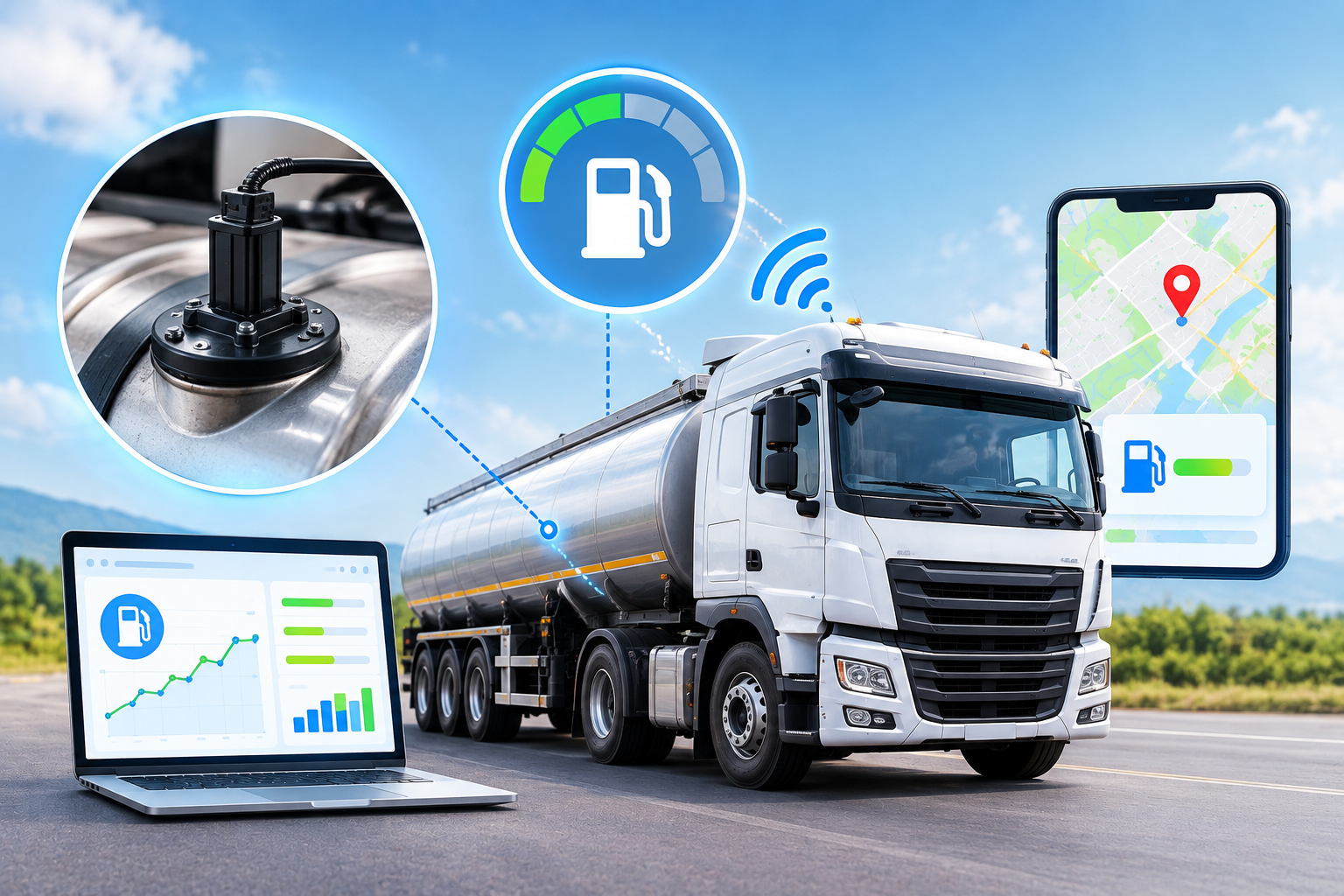
Manage fuel consumption, monitor fuel levels and improve fleet visibility with a reliable Fuel Monitoring System from Fleetomove Telematics Solutions. Fuel is a major operating expense for transportation and logistics businesses, making accurate monitoring essential for controlling costs and maintaining operational efficiency.
A fuel monitoring system is a technology solution that measures or estimates fuel levels and tracks fuel consumption in vehicles or other compatible equipment. Depending on the hardware and software used, the system can collect fuel-related data, transmit it to a monitoring platform and help managers review fuel usage over time.
A GPS fuel monitoring system combines compatible fuel sensors, tracking hardware and monitoring software to provide fuel-related information alongside vehicle location data.
Fleetomove Telematics Solutions can help businesses evaluate fuel monitoring requirements based on their vehicle types, existing systems and operational objectives. The specific information available depends on the selected sensor, GPS device, vehicle compatibility and platform configuration.
A GPS-based fuel monitoring solution typically follows these steps:
1. Fuel measurement: A compatible fuel sensor measures the fuel level or provides another supported fuel-related reading.
2. Data collection: The tracking device or connected hardware collects readings according to the system configuration.
3. Data transmission: Available information is transmitted through a supported communication network.
4. Monitoring and analysis: The platform displays fuel-related data and, where supported, associates it with vehicle location and movement information.
5. Alerts and reports: Configured notifications and reports help authorized users investigate unusual changes and review fuel consumption patterns.

Compatible fuel sensors can measure changes in fuel levels and transmit readings to a monitoring platform. Accuracy depends on sensor quality, tank geometry, installation, calibration and operating conditions.
A fuel management system helps businesses organize fuel-related information and review available consumption reports. Depending on the platform, reports may include fuel levels, refuelling activity, consumption trends and vehicle-wise comparisons.
Monitoring fuel data helps managers identify vehicles or journeys with unusual consumption patterns. Investigating these patterns may reveal opportunities to improve route planning, vehicle maintenance, driving practices or refuelling procedures.

Configured alerts can notify authorized users when fuel readings change beyond defined thresholds. These notifications can help teams investigate unexpected fuel loss, possible leakage or irregular refuelling activity.
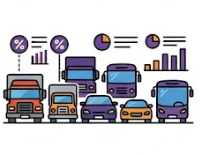
Fleet fuel monitoring helps businesses compare fuel usage across vehicles and review consumption trends over time. These reports can support fleet performance reviews, help identify vehicles requiring attention and provide useful information for operational planning.
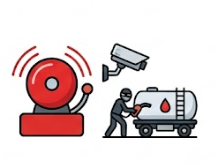
Receive alerts when the fuel level drops unexpectedly beyond configured thresholds. This feature helps fleet managers investigate potential fuel theft, leakage or unusual fuel consumption and take timely action based on available monitoring data.

Fleetomove Telematics Solutions can be considered for businesses exploring telematics-based fleet and fuel monitoring requirements.
Our GPS-based vehicle tracking solutions help fleet owners reduce operating costs and boost earnings by significantly enhancing productivity and fuel efficiency.

The system provides live, real-time tracking and minute-by-minute route verification, enabling fleet managers to resolve customer disputes, verify service proof, and avoid unnecessary fuel consumption.

Our key management reports allow business owners to accurately verify time sheets, reducing overtime expenses and enabling detailed analysis of vehicle hours at various locations.

With comprehensive reports, fleet owners can tightly control and accurately measure fleet activity, ensuring precise validation of site visit costs and overall operational efficiency.

Our team outlines project goals and prioritizes our client’s needs to develop a GPS tracking solution that addresses their specific business challenges.
We develop GPS tracking solutions with a focus on delivering high-quality results.
Our team evaluates performance and results, gathers feedback, and adjusts the project direction as needed.
At this stage, we analyze our results and evaluate the GPS tracking project to enhance future implementations.

We pride ourselves on offering targeted solutions that help businesses grow. Here are our glowing reviews.
Quam nisi himenaeos tellus posuere duis blandit dignissim etiam rutrum aptent. Risus vulputate nisl pede elementum maecenas libero. Pulvinar facilisis magnis placerat blandit amet nec.
Sherman Emerson Co-Founder LogoIpsumQuam nisi himenaeos tellus posuere duis blandit dignissim etiam rutrum aptent. Risus vulputate nisl pede elementum maecenas libero. Pulvinar facilisis magnis placerat blandit amet nec.
Sherman Emerson Co-Founder LogoIpsumA fuel monitoring system helps businesses measure or monitor fuel levels, review consumption data and identify unusual fuel changes. Depending on the system, it may also support GPS integration, alerts and reporting.
A GPS fuel monitoring system combines compatible fuel sensing hardware with GPS tracking and monitoring software. It can help users review fuel-related information alongside vehicle location data, depending on the system configuration.
It can help identify unexpected fuel-level drops or other unusual readings that may require investigation. However, sensor readings alone cannot conclusively establish fuel theft, as leakage, calibration issues and operating conditions can also affect measurements.
A GPS fuel sensor generally refers to a fuel sensing device used with a GPS tracking system or platform. The sensor measures fuel-related information, while the GPS system provides location data. Compatibility depends on the specific hardware and integration.
Yes, suitable systems can be used for compatible trucks and commercial vehicles. The fuel tank design, sensor type, installation requirements and monitoring platform should be evaluated before deployment.
Fuel monitoring can help businesses review consumption trends, investigate unusual fuel usage and identify opportunities to improve route planning, maintenance and refuelling practices. Results depend on operating conditions and how the information is used.
Enhance fleet efficiency, boost security, and streamline operations with cutting-edge GPS vehicle tracking technology
Quam nisi himenaeos tellus posuere duis blandit dignissim etiam rutrum aptent. Risus vulputate nisl pede elementum maecenas libero. Pulvinar facilisis magnis placerat blandit amet nec.
Sherman Emerson Co-Founder LogoIpsum